
"Ethiopian coffee types"
2000 article(s) found

Introduction to the planting environment of high-quality Ethiopian boutique coffee bean manor
March 1988, rebel activities of the Eritrean people's Liberation Front (EPLF) and Tigre people's Liberation Front (TPLF) launched an attack on government forces, a large-scale civil war broke out. In 1989, the Eritrean people's Liberation Front occupied most of Eritrea's province. On May 28, 1991, EGF troops, mainly from the people's Liberation Front of Tigre, entered Addis Ababa, Menges.

Introduction to the taste of coffee beans by describing the characteristics and flavor of coffee beans in Ethiopia
Ethiopian coffee bean flavor description introduces that Ethiopian coffee should be the only pollution-free green organic coffee in the world. Today, Ethiopia still uses traditional planting methods to artificially care for coffee trees, and fertilizers are mainly fallen leaves, withered grass and animal manure, replacing harmful pesticides and herbicides used on a large scale in other coffee-producing countries in the southwestern highlands of Ethiopia. Kafa

Ethiopian coffee flavor Ethiopian coffee characteristics Ethiopian coffee taste
Ethiopia has unique natural conditions suitable for growing all imaginable varieties of coffee. As a upland crop, Ethiopian coffee beans are mainly grown in areas between 1100 and 2300 meters above sea level, roughly distributed in southern Ethiopia. Deep soil, well drained soil, weakly acidic soil, laterite and soil are soft and contain

Introduction to the flavor and taste characteristics of the charming Ethiopian boutique coffee bean manor.
A large amount of coffee production (95%) is done by small shareholders, with an average yield of 561 kg per hectare. For centuries, minority holders of Ethiopian coffee farms have been producing a variety of high-quality types of coffee. The secret of producing high-quality coffee is that coffee growers have developed environmental conditions through generations of repeated learning about the coffee planting process.

Types of bean grinders for fine coffee in other Ethiopian coffee producing areas
Iron ratio to Bebeca: the iron ratio is 1000 to 1900 meters above sea level and 900 to 1200 meters above sea level. Located on the edge of the Kafa forest, these two areas are the lowest coffee-producing areas in Ethiopia, dominated by bulk commercial beans or formula beans. Tiebi also has a lot of wild coffee. Coffee in this area is seldom used as boutique or single bean. Kinby and Lekampi: Lim is heading northwest, but

Introduction to the flavor and taste of Ethiopian boutique coffee beans and the characteristics of the manor producing area
A large amount of coffee production (95%) is done by small shareholders, with an average yield of 561 kg per hectare. For centuries, minority holders of Ethiopian coffee farms have been producing a variety of high-quality types of coffee. The secret of producing high-quality coffee is that coffee farmers have developed the right environment through generations of repeated learning about the coffee planting process.
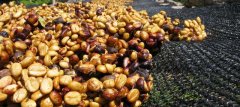
Ethiopian Harar Boutique Coffee
Specialty coffee is also known as specialty coffee. It refers to coffee made from green beans with excellent taste characteristics grown in a few extremely ideal geographical environments. Depending on the particular soil and climatic conditions in which they are grown, they have outstanding flavors. This type of coffee is carefully selected and graded for its hard texture, rich taste and wind.

Ethiopian Coffee Flavor description Variety characteristics of High-quality Coffee beans
Yega Xuefei is a small town, 700-2100 meters above sea level, synonymous with Ethiopian boutique coffee. It has been a wetland since ancient times. The ancient saying "Yirga" means to settle down and "Cheffe" means a wetland. The mode of production and flavor of coffee here are so outstanding that Ethiopian coffee farmers compete to be proud of the flavor of their coffee, making it the best in Africa.

Ethiopian Coffee beans Ethiopian Coffee producing areas introduce the Ethiopian Waka Cooperative
Professional coffee knowledge exchange more coffee bean information Please follow the coffee workshop (Wechat official account cafe_style) the Yega Sheffei producing area of Ethiopia is well-known, but in the Yega Sheffei system, there is a new trend, that is, the development of a single small farmer and a single agricultural product. Let's take the Waka Cooperative as an example, let's talk about this trend now, according to Ethiopia.

Introduction to the characteristics of Ethiopian Coffee Flavor Manor with mellow and charming taste
Although the Ethiopian Yirgacheffe coffee is petite, it is gentle and delicate and sweet. As the hometown of coffee, thousands of years of planting history and processing tradition in Ethiopia have created high-quality washed Arabica beans. Light baking has unique sweet aromas of lemon, flowers and honey, soft acidity and citrus flavors, fresh and bright on the palate. No.

Good average quality; aromatic and full-bodied Ethiopian coffee plantation taste characteristics
Ethiopian coffee beans grow in a near-natural environment. After years of cultivation under the same growing conditions, Ethiopian coffee beans have gradually adapted to the environment here. More than 60% of coffee beans are forest or semi-forest grown coffee. Coffee farming villages produce about 35 percent of the country's coffee.

Ethiopia Coffee Bean Flavor Manor introduces Ethiopian boutique coffee beans
Ethiopian coffee beans grow in close to the natural environment, after years of planting under the same growth conditions, Ethiopian coffee beans have gradually adapted to the environment here. More than 60% of coffee beans are grown in forests or semi-forests. Large-scale coffee-growing villages account for about 35% of the country's total coffee production. Many of these are used.

Flavor description and taste treatment of Ethiopian coffee beans
Flavor description of Ethiopian coffee beans in Ethiopia the grading and quality control system of coffee is divided into three levels: producer, regional and national. All coffee is inspected by local inspection agencies before leaving the country of origin, and then re-tested at the coffee inspection and grading centers in Addis and Diredawa to determine its quality grade. The coffee is

What are the main world-famous Ethiopian coffee? Introduction to the types of coffee in Ethiopia
1. Limu coffee grows between 1400 meters and 2000 meters above sea level. Wash the coffee. Excellent quality, with strong nut aromas, suitable acidity, with the intensity of wine. The annual output is 29000 tons. 2. Jima Coffee grows between 1400 and 1800 meters above sea level. Sun-baked coffee. Slightly sour, with nutty aromas and a long finish. The annual output is 70000 tons. 3. Gamby Coffee
Exquisite Ethiopian coffee beans Starbucks Ethiopian coffee
Ethiopia has unique natural conditions suitable for growing all imaginable varieties of coffee. As a upland crop, Ethiopian coffee beans are mainly grown in areas between 1100 and 2300 meters above sea level, roughly distributed in southern Ethiopia. Deep soil, well drained soil, weakly acidic soil, laterite and soil are soft and contain

Introduction to the flavor and taste of Ethiopian coffee beans grade classification of Ethiopian Sidamo coffee beans
Ethiopia has unique natural conditions suitable for growing all imaginable varieties of coffee. As a upland crop, Ethiopian coffee beans are mainly grown in areas between 1100 and 2300 meters above sea level, roughly distributed in southern Ethiopia. Deep soil, row

Different flavors of Ethiopian Coffee Flavor and Taste introduction to the characteristics of Fine Coffee beans in Manor area
In February 1977, Lieutenant Colonel Mengistu Haier Maryam (MENGISTU HAILE MARIAM) launched a military coup and served as Chairman of the interim military Administrative Council and head of State. In 1979, the Ethiopian Labor people's Party Organization Committee, dominated by soldiers, was established to implement an one-party system. In 1984, the Ethiopian Workers' Party was formed according to the Soviet Communist Party model. Mengistu, September 1987

Are Ethiopian coffee beans G1 and G2 just different in the number of defective beans?
Ethiopian coffee beans G1 and G2 are only different in the number of defective beans. Honey treatment is to remove immature beans and other defective bean leaves after flotation of coffee beans, and then carry out red, yellow and black treatment according to different regions. Yellow honey usually removes the most peel, about 40 percent peel, red honey 25 percent peel, black honey only peel, and then

Ethiopian Coffee Variety Flavor description introduction of High-quality Coffee beans in producing areas
In February 1977, Lieutenant Colonel Mengistu Haier Maryam (MENGISTU HAILE MARIAM) launched a military coup and served as Chairman of the interim military Administrative Council and head of State. In 1979, the Ethiopian Labor people's Party Organization Committee, dominated by soldiers, was established to implement an one-party system. In 1984, the Ethiopian Workers' Party was formed according to the Soviet Communist Party model. Mengistu, September 1987

Ethiopian Coffee Bean Story _ Essel Coffee Bean characteristics and Flavor introduction _ Ethiopian Coffee Bean Price
Professional coffee knowledge exchange more coffee bean information Please pay attention to coffee workshop (Wechat official account cafe_style) fragrant coffee is one of the indispensable mental drinks for modern urbanites, ranking the fifth largest producer of coffee beans, Ethiopia (Ethiopia) in East Africa, and the origin of the native varieties of Arabica coffee beans (Coffea Arabica) that are popular all over the world.